







Title Designed in Germany MADE IN CHINA
This work examines distinctions between global economic structures and the emergence of hybrid economic systems that incorporate capitalist ideology in order to function competitively within international markets. The artist critically reflects upon the so-
The piece argues that contemporary globalisation has increasingly obscured the ethical boundaries surrounding corporate exploitation, labour structures, and economic dependency. Within this framework, systems of underdevelopment are not accidental conditions but are maintained in ways that continue to serve the political and economic interests of dominant global powers. The work suggests that certain developing nations are permitted limited industrial and economic advancement only to the extent that such development remains beneficial to established economic centres and transnational market systems.
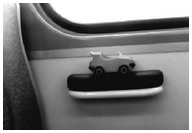
By tracing the origins and production of the object itself, the artwork reflects the interconnected nature of global manufacturing and consumption. The car design originates in Germany, is manufactured in China, and is ultimately produced for a Western consumer market. This transnational production chain becomes symbolic of contemporary economic dependency, illustrating how design, labour, production, and consumption are geographically separated yet economically interdependent.
Through these relationships, the work critiques the unequal distribution of power within global capitalism and questions the extent to which contemporary economic systems continue historical patterns of control, extraction, and ideological influence under the language of development, progress, and free-