








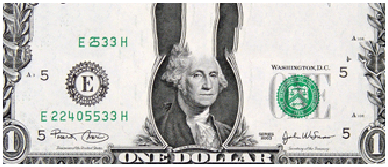
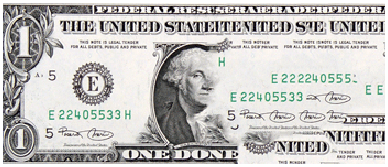
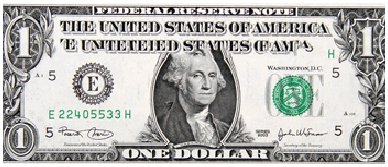
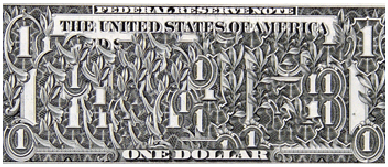






Almost Entirely Satisfied
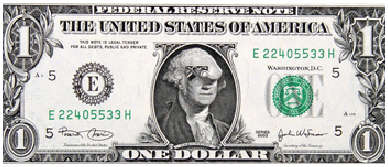
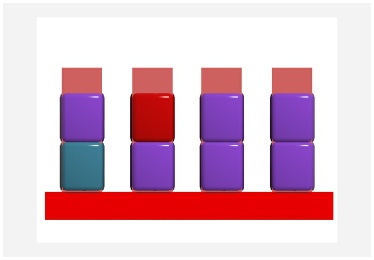
The series Almost Entirely Satisfied critically examines the increasing influence of industrial production methods, commercial aesthetics, and market expectations on the creation and presentation of contemporary art. The work investigates the tension between manufactured perfection and authentic artistic expression, questioning the extent to which artworks are now expected to possess the flawless qualities associated with mass-
Through this investigation, the series considers how the values of industrial production have contributed to the de-
Almost Entirely Satisfied explores how the language of commerce, advertising, and media production has influenced institutional definitions of artistic quality. Within this framework, art institutions adopt standards that mirror broader commercial industries, reinforcing aesthetic expectations shaped by the global art market. The works question whether these systems encourage conformity by promoting forms of production aligned with market demand rather than artistic autonomy.
The series also reflects on the role of superficial cosmetics within contemporary culture, examining how polished surfaces and controlled presentation can obscure the conceptual and human dimensions of artistic practice. By drawing parallels between industrial manufacturing and cultural production, the project critiques the transformation of art into a commodified asset within global systems of finance, speculation, and institutional validation.

