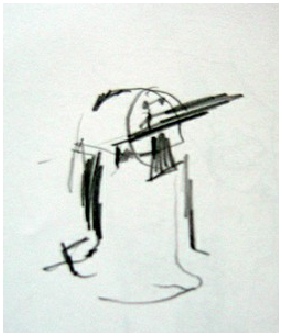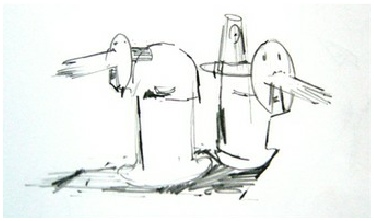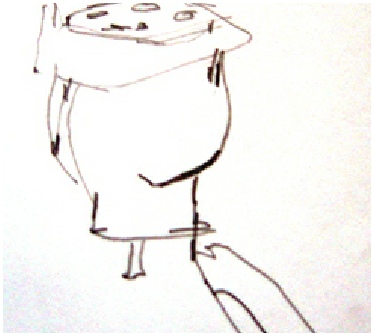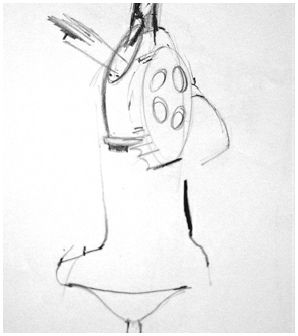





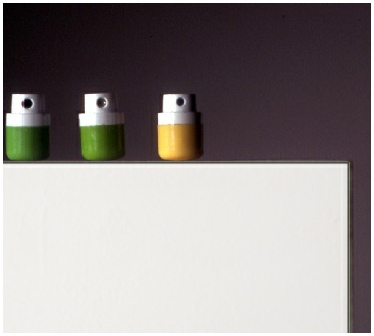
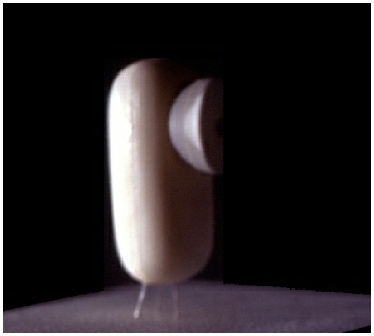
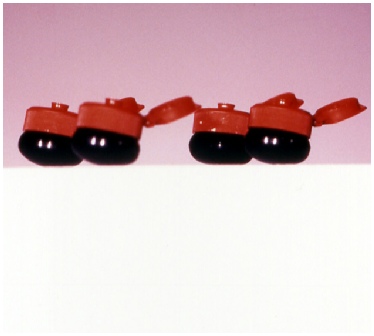








Within the series Cleansing to a Brilliant White, the artist incorporates disposable and mass-
The installation draws parallels between the persuasive language of advertising, consumer culture, and ideological positioning, suggesting that forms of communication associated with commerce can also operate as mechanisms of psychological influence and cultural conditioning. By appropriating and recontextualising this language, the work develops a visual framework that reflects the aggressive and often contradictory narratives present within contemporary society.
Central to the series is the idea that language functions not only as communication, but also as a structure through which power, conflict, and identity are constructed. The repeated use of disposable units reflects cycles of consumption, replacement, and erasure, while simultaneously referencing systems of standardisation and social conformity. Within this context, the title Cleansing to a Brilliant White suggests tensions surrounding purity, perfection, exclusion, and cultural homogenisation.
The artist acknowledges the difficulty of fully translating the complexity of the installation into written form, arguing that the work exists most completely through direct engagement with its physical and spatial presence. Returning to the series periodically, the artist reflects upon the limitations of text-